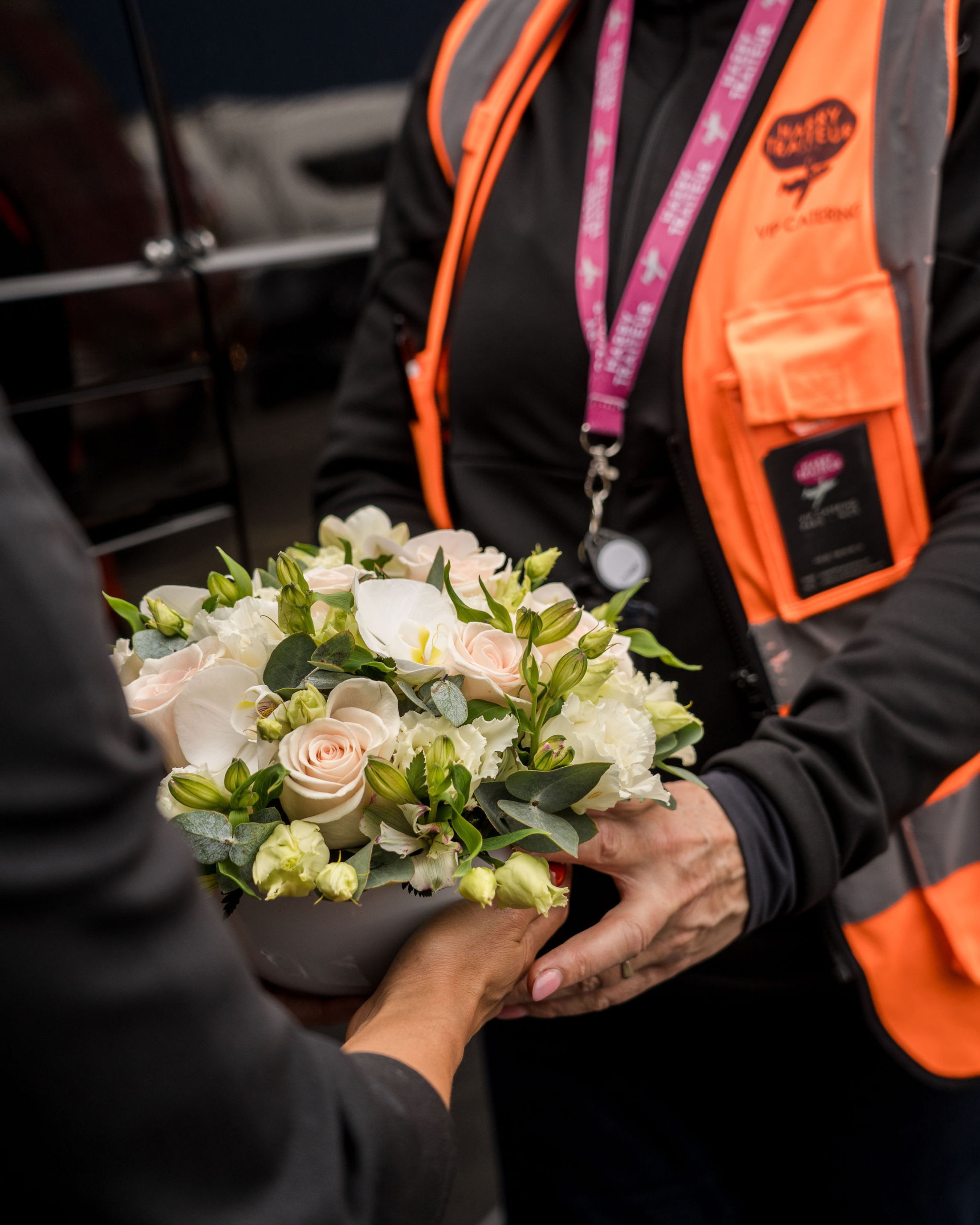
Behind this
topic lies a complex, demanding, and highly structured reality. At Harry Traiteur,
every order is an operation in its own right, where gastronomy, logistics, and
compliance with airport regulations intersect. Nothing is improvised: everything is
anticipated, calibrated, and executed with precision to meet the expectations of
an international clientele accustomed to excellence.
In business aviation and high-end catering, the level of expectation goes far
beyond that of traditional food service. Lead times are short, requests are often
highly specific, and last-minute changes are frequent. A flight may be brought
forward, delayed, or rerouted, requiring teams to adapt instantly. Every product is
checked, every allergen identified, every detail validated. The slightest error can
compromise the onboard experience. Crews expect flawless execution, and
passengers seek continuity with the standards of the finest restaurants on the
ground.
We regularly serve airports such as Paris–Charles de Gaulle, Paris–Le Bourget,
Paris–Orly, Nice Côte d’Azur, Cannes–Mandelieu, and Saint-Tropez La Môle, among
other platforms. This footprint requires a decentralized yet consistent
organization capable of delivering the same level of quality everywhere. Each site
has its own operational specifics, security constraints, and pace. Coordination with
handlers, airport security services, and flight crews is constant.

Preparing, packaging, and delivering a meal tray to an aircraft requires meticulous
logistics. The cold chain is maintained without interruption, flows are fully
traceable, and airside access is strictly controlled. Teams operate in real time with
airport stakeholders to ensure smooth onboard delivery. Each tray must pass
security checks without delay, in full compliance with regulations. Certifications
allow products to be delivered directly to the aircraft, reducing risk and optimizing
turnaround times. This operational precision is a decisive advantage in an
environment where every minute counts.
Beyond logistics, the core challenge is gastronomic. The offering adapts to
departure locations and local identity. In Paris, menus highlight refined French
cuisine: foie gras, free-range poultry, aged cheeses, and elegant pastries. In Nice,
Mediterranean influences prevail, with lighter dishes such as a modernized Niçoise
salad, grilled vegetables, or citrus-marinated fish. In Cannes and Saint-Tropez, the
menu becomes more seasonal and sophisticated, featuring seafood, fresh fruits,
and visually refined compositions tailored to an international clientele. This
adaptation is not superficial; it is an integral part of the travel experience.
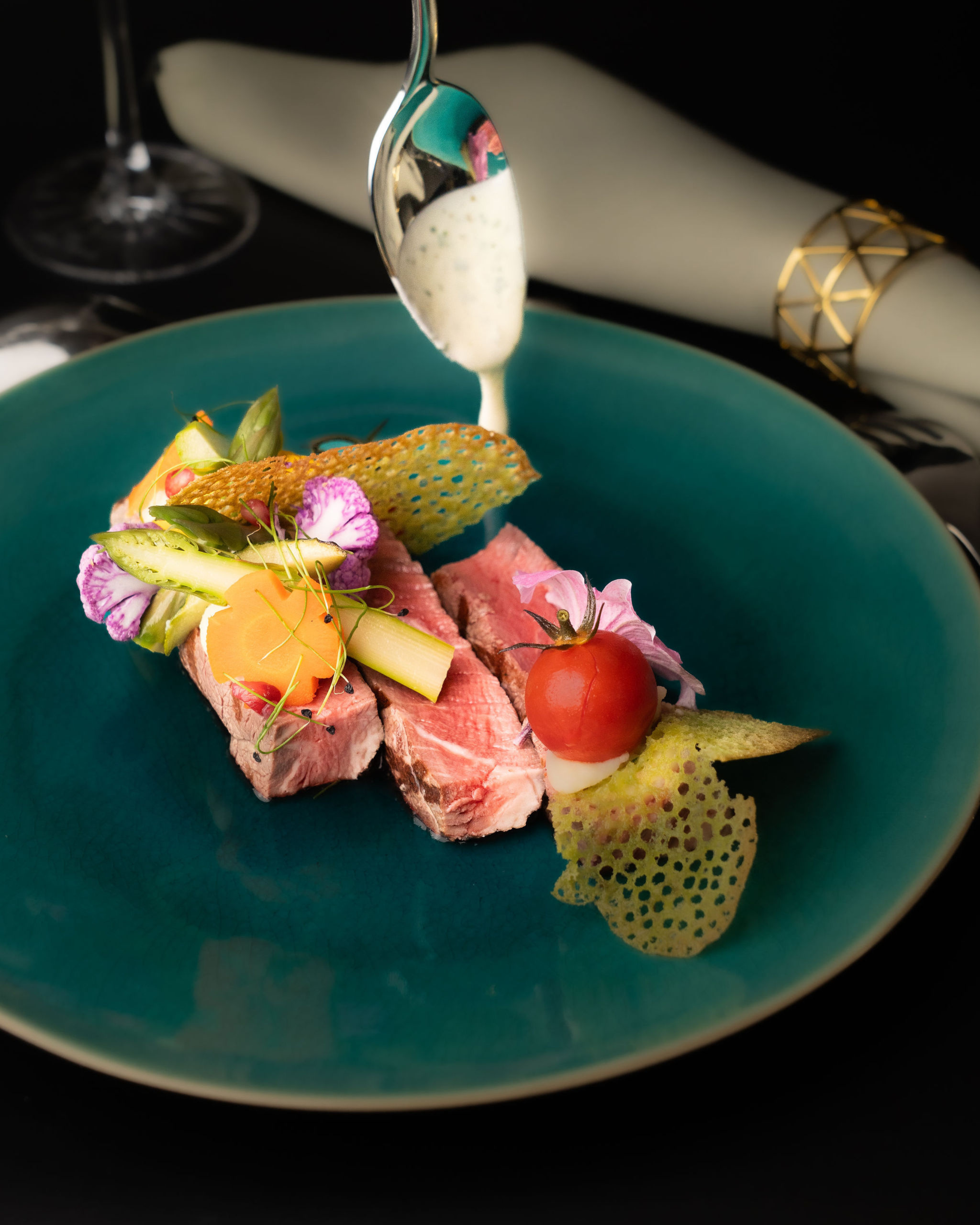
Flight constraints require precise technical choices. Dishes must retain their
texture, flavor, and structure despite cabin pressure and temperature variations.
Recipes are designed for quick plating onboard, with stable and refined
presentation. The objective is clear: recreate a restaurant experience within a
confined space. Every detail, from packaging to final presentation, is designed to
support the crew while enhancing the product.
The mission of Harry Traiteur, a leading player in aviation catering, goes far
beyond meal delivery. It is a complex system where operational rigor meets
culinary creativity. Each assignment is about transforming strict constraints into a
seamless, high-quality service. Precision, adaptability, and constant high standards
enable support for flights at the highest level.


